Diagnosis before decline
Tree Health Care and Arborist Diagnosis in Lafayette and Acadiana
Louisiana Tree Masters provides tree health care and arborist diagnosis for homeowners and businesses in Lafayette, Youngsville, and across Acadiana. A Louisiana-licensed arborist (License #26-0706) reads the canopy, the trunk, and the root zone before recommending a plan, and free estimates are available.
Credential recordLICENSE #26-0706
Field recordSINCE 1994
Louisiana Arborist License
The read
What a tree health visit covers.
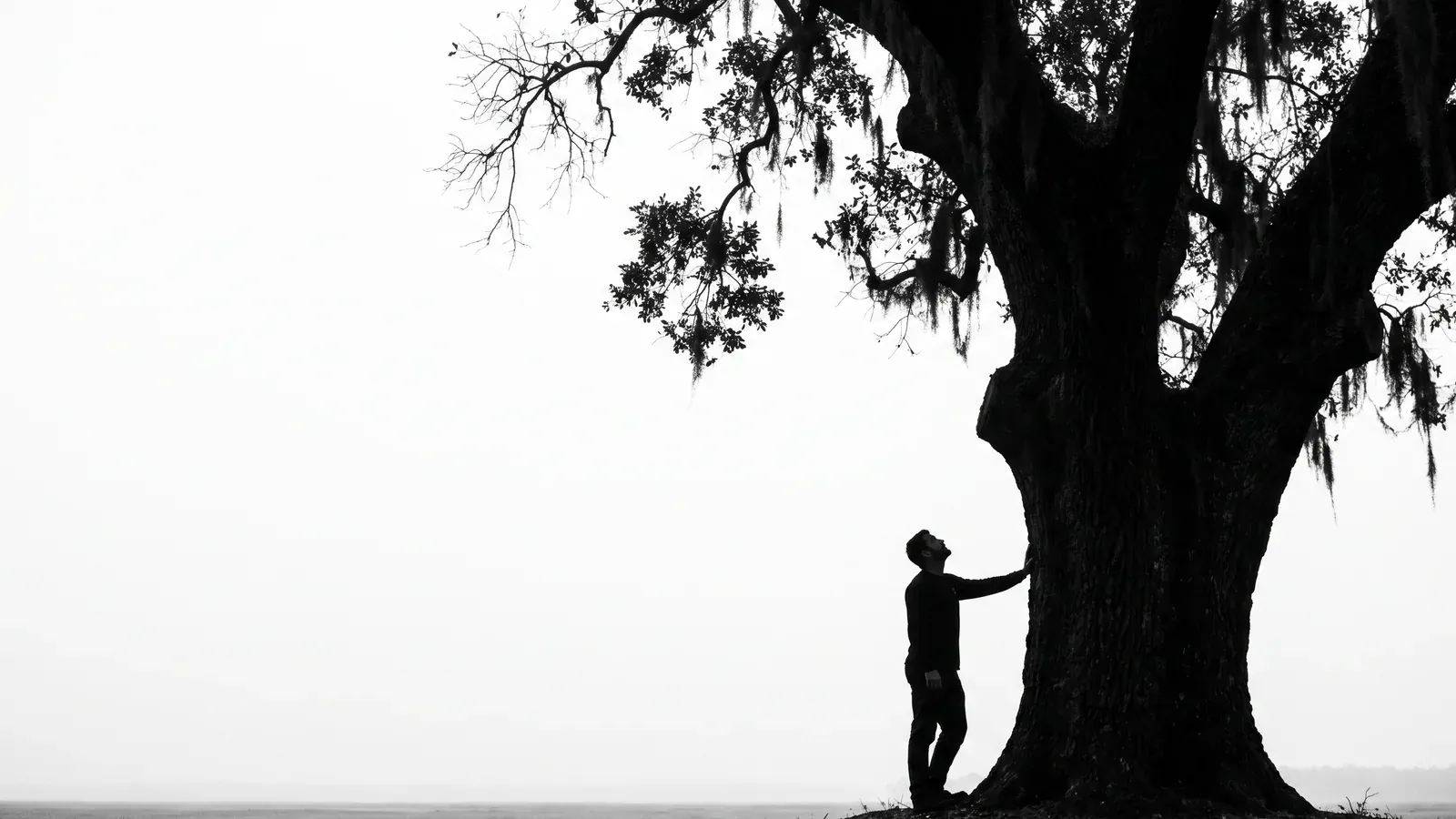
Most tree problems start below what you can see. A proper diagnosis works from the roots up, not just the leaves down.
- 01
Read the canopy
Leaf color, size, and how much of the crown is thinning or dying back point to what is happening lower in the tree.
- 02
Check the trunk and root flare
Cracks, cavities, and fungal growth near the base are signs of decay or root failure that the canopy alone will not show.
- 03
Evaluate the root zone and soil
Compaction, drainage, and construction damage often start a decline long before it reaches the leaves.
- 04
Recommend a plan
Pruning, root care, deep root fertilization, monitoring, or removal, explained in plain terms and tied to what was actually found.
Operations index
What tree health care covers
A tree in decline rarely has one cause. Every visit looks at the whole tree and the ground underneath it, not just the symptom you called about.
-
Tree health assessment
A full read of canopy, trunk, roots, and soil, in one visit.
-
Oak Wilt inspection
Oak trees carry real weight across Acadiana properties, so wilting, edge-browning, and canopy thinning in an oak get a closer look.
-
Root and soil evaluation
Compacted soil, poor drainage, and construction damage assessed as part of the tree's condition, not separately from it.
-
Deep root fertilization
Nutrients placed into the active root zone for stressed, mature, or compacted-soil trees.
-
Disease and decline diagnosis
Root rot, insect stress, and drought stress can look alike from the ground. A proper inspection tells them apart.
-
Save-or-remove guidance
A straight answer on whether the tree can recover, and what it will take if it can't.
Field assessment
Tell us what the tree is doing.
Describe the symptoms, yellowing leaves, dieback, fungus, a change you've noticed, and where the tree sits. A licensed arborist reviews every health request.
Tree health answers
Frequently asked questions about tree health care
01 What does a tree health visit look for?
A visit typically covers the canopy, trunk, root zone, and surrounding soil. Louisiana Tree Masters explains what is found in plain language and recommends next steps based on the tree's actual condition.
02 Can you check a tree for Oak Wilt?
Yes. A licensed arborist can inspect an oak tree for symptoms that may point to Oak Wilt or another cause of decline. If specialized testing is needed, we can help point you toward it.
03 What is deep root fertilization, and does it help?
Deep root fertilization places nutrients into the soil near the active root zone, where a stressed or compacted-soil tree can use them. It supports tree health as part of a plan; it is not a fix for every problem, and we say so when it isn't the right tool.
04 Can a declining tree be saved?
Sometimes. A tree with early stress, minor root issues, or poor structure can often be helped with pruning, root care, or fertilization. A tree with severe decay, major root failure, or advanced disease may be safer to remove. The inspection tells you which one you have.
05 Do you look at the soil, not just the tree?
Yes. Many tree problems start in the roots or the soil before they show up in the canopy, so a proper tree health visit includes the ground the tree is growing in.
Catch it early
Get the tree read before the canopy tells you.
A licensed arborist can diagnose a declining tree in Lafayette, Youngsville, or anywhere across Acadiana and lay out a straight plan, treatment, root care, or removal, before decline goes further. Free estimates.